_PNG.png)


Enhancing Geospatial Education at Jefferson Community College
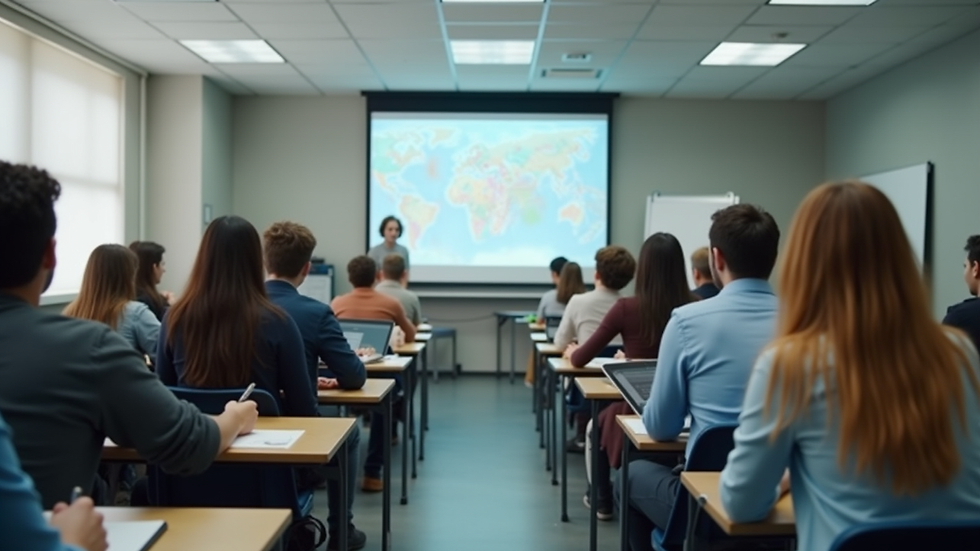
In an era where data drives decision-making, the importance of geospatial education cannot be overstated. Jefferson Community College (JCC) recognizes this need and is committed to enhancing its geospatial education programs. By integrating advanced technologies and innovative teaching methods, JCC aims to equip students with the skills necessary to thrive in a data-driven world. This blog post explores the current state of geospatial education at JCC, the initiatives being implemented to enhance it, and the potential impact on students and the community.
Understanding Geospatial Education
Geospatial education encompasses the study of geographic information systems (GIS), remote sensing, and spatial analysis. It provides students with the tools to visualize, analyze, and interpret data related to geography. As industries increasingly rely on geospatial data for decision-making, the demand for skilled professionals in this field continues to grow.
The Importance of Geospatial Skills
Career Opportunities: Graduates with geospatial skills are in high demand across various sectors, including urban planning, environmental science, and transportation.
Problem Solving: Geospatial education equips students with critical thinking skills to address complex issues, such as climate change and urban development.
Technological Proficiency: Students learn to use advanced software and tools, preparing them for the technological landscape of the modern workforce.
Current State of Geospatial Education at JCC
JCC has made significant strides in developing its geospatial education programs. The college offers a range of courses that cover fundamental concepts and advanced applications of geospatial technologies. However, there is always room for improvement.
Existing Programs and Courses
Introduction to GIS: This foundational course introduces students to the principles of GIS and its applications.
Remote Sensing: Students learn about satellite imagery and aerial photography, gaining skills in data interpretation.
Spatial Analysis: This course focuses on analyzing spatial data to solve real-world problems.
Challenges Faced
Despite the progress, JCC faces several challenges in enhancing its geospatial education:
Resource Limitations: Access to the latest technology and software can be limited, hindering hands-on learning experiences.
Curriculum Updates: Keeping the curriculum aligned with industry standards is essential but can be challenging due to the rapid evolution of technology.
Student Engagement: Engaging students in complex geospatial concepts can be difficult, especially for those without a strong background in mathematics or science.
Initiatives to Enhance Geospatial Education
To address these challenges, JCC is implementing several initiatives aimed at enhancing its geospatial education programs.
Upgrading Technology and Resources
Investing in state-of-the-art technology is crucial for providing students with hands-on experience. JCC plans to:
Acquire New Software: By obtaining licenses for the latest GIS software, students can work with tools that are widely used in the industry.
Enhance Lab Facilities: Upgrading computer labs with high-performance machines will allow students to run complex geospatial analyses.
Curriculum Development
Updating the curriculum to reflect current industry practices is essential. JCC is focusing on:
Industry Collaboration: Partnering with local businesses and organizations to ensure the curriculum meets workforce needs.
Incorporating Real-World Projects: Students will work on projects that address community issues, providing practical experience and enhancing learning.
Increasing Student Engagement
To foster a more engaging learning environment, JCC is exploring:
Interactive Learning Methods: Incorporating hands-on activities, group projects, and fieldwork to make learning more dynamic.
Guest Lectures and Workshops: Inviting industry professionals to share their experiences and insights with students.
The Impact of Enhanced Geospatial Education
The initiatives being implemented at JCC are expected to have a significant impact on students and the community.
Benefits for Students
Improved Job Readiness: With access to the latest technology and a relevant curriculum, students will be better prepared for the job market.
Enhanced Skills: Students will develop critical thinking and problem-solving skills that are essential in today’s workforce.
Networking Opportunities: Collaborations with industry professionals will provide students with valuable connections and insights into potential career paths.
Community Impact
The benefits of enhanced geospatial education extend beyond the classroom. JCC's initiatives will positively impact the community in several ways:
Addressing Local Issues: Students will work on projects that tackle real-world problems, such as urban planning and environmental conservation.
Economic Development: By preparing a skilled workforce, JCC contributes to the local economy and supports the growth of geospatial industries.
Conclusion
Jefferson Community College is taking significant steps to enhance its geospatial education programs. By investing in technology, updating the curriculum, and increasing student engagement, JCC is preparing students for successful careers in a data-driven world. The impact of these initiatives will not only benefit students but also contribute to the community's growth and development. As JCC continues to evolve its geospatial education, it sets a strong example for other institutions aiming to meet the demands of the modern workforce.
The journey toward enhancing geospatial education is ongoing, and the commitment to innovation and improvement will ensure that JCC remains at the forefront of this vital field.

Comments