_PNG.png)


Unlocking Career Opportunities in Geospatial Technology
In today's rapidly evolving job market, geospatial technology stands out as a field brimming with potential. With the increasing reliance on location-based data across various industries, professionals equipped with geospatial skills are in high demand. This blog post will explore the myriad career opportunities available in geospatial technology, the skills needed to excel, and how to navigate this exciting landscape.
Understanding Geospatial Technology
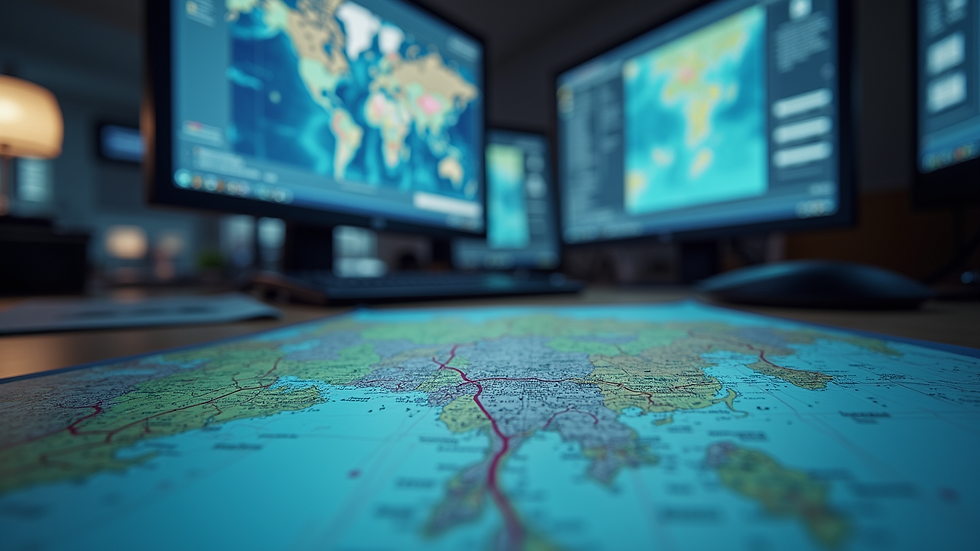
Geospatial technology encompasses a range of tools and techniques used to collect, analyze, and visualize geographic data. This includes Geographic Information Systems (GIS), remote sensing, global positioning systems (GPS), and spatial data analysis. These technologies are pivotal in various sectors, including urban planning, environmental management, transportation, and disaster response.
The Importance of Geospatial Data
Geospatial data provides critical insights that help organizations make informed decisions. For example, urban planners use GIS to analyze population density and infrastructure needs, while environmental scientists rely on remote sensing to monitor changes in land use and natural resources. The ability to interpret and manipulate this data is essential for professionals in the field.
Career Paths in Geospatial Technology
The field of geospatial technology offers a diverse array of career paths. Here are some of the most prominent roles:
1. GIS Analyst
Role Overview: GIS analysts are responsible for collecting, analyzing, and interpreting spatial data. They create maps and visualizations to support decision-making processes.
Key Skills:
Proficiency in GIS software (e.g., ArcGIS, QGIS)
Strong analytical skills
Attention to detail
Example: A GIS analyst working for a city government might analyze traffic patterns to propose new road layouts.
2. Remote Sensing Specialist
Role Overview: Remote sensing specialists use satellite or aerial imagery to gather information about the Earth's surface. They analyze this data to monitor environmental changes, urban development, and agricultural practices.
Key Skills:
Knowledge of remote sensing technologies
Experience with image processing software
Understanding of environmental science
Example: A remote sensing specialist may work for an environmental agency to assess deforestation rates using satellite images.
3. Cartographer
Role Overview: Cartographers design and produce maps that communicate spatial information effectively. They blend artistic skills with technical knowledge to create visually appealing and informative maps.
Key Skills:
Strong design and visualization skills
Familiarity with cartographic principles
Proficiency in mapping software
Example: A cartographer might create a detailed hiking map that highlights trails, landmarks, and safety information.
4. Geospatial Data Scientist
Role Overview: Geospatial data scientists analyze complex datasets to extract meaningful insights. They apply statistical methods and machine learning techniques to solve spatial problems.
Key Skills:
Proficiency in programming languages (e.g., Python, R)
Strong statistical analysis skills
Experience with data visualization tools
Example: A geospatial data scientist could analyze crime data to identify hotspots and suggest preventive measures.
5. Urban Planner
Role Overview: Urban planners use geospatial technology to design and develop urban spaces. They assess land use, transportation systems, and community needs to create sustainable environments.
Key Skills:
Knowledge of zoning laws and regulations
Strong communication skills
Ability to work with diverse stakeholders
Example: An urban planner might use GIS to evaluate the impact of a new public transit line on local neighborhoods.
Skills Required for Success
To thrive in the geospatial technology field, professionals should develop a combination of technical and soft skills. Here are some essential skills to focus on:
Technical Skills
GIS Software Proficiency: Familiarity with tools like ArcGIS, QGIS, and MapInfo is crucial for most roles.
Data Analysis: Understanding statistical methods and data manipulation techniques is essential for interpreting geospatial data.
Programming: Knowledge of programming languages such as Python or R can enhance data analysis capabilities.
Soft Skills
Problem-Solving: The ability to approach complex problems creatively and effectively is vital.
Communication: Professionals must convey technical information clearly to non-technical stakeholders.
Collaboration: Working with interdisciplinary teams is common in geospatial projects, making teamwork skills important.
Educational Pathways
Pursuing a career in geospatial technology typically requires a relevant educational background. Here are some common pathways:
1. Degree Programs
Many universities offer degree programs in geography, environmental science, or urban planning with a focus on geospatial technology. A bachelor's degree is often the minimum requirement, while advanced positions may require a master's degree.
2. Certifications
Obtaining certifications can enhance your qualifications and demonstrate expertise. Some recognized certifications include:
GIS Professional (GISP): Offered by the GIS Certification Institute, this certification validates your skills and knowledge in GIS.
Certified Geographic Information Systems Professional (GISP): This certification focuses on practical GIS skills and knowledge.
3. Online Courses
Numerous online platforms offer courses in geospatial technology. Websites like Coursera, Udemy, and Esri provide valuable resources for learning GIS software and data analysis techniques.
Networking and Professional Development
Building a professional network is crucial for career advancement in geospatial technology. Here are some strategies to connect with others in the field:
1. Attend Conferences
Participating in industry conferences and workshops can provide valuable insights and networking opportunities. Events like the Esri User Conference and the American Society for Photogrammetry and Remote Sensing (ASPRS) Annual Conference are excellent places to meet professionals and learn about the latest trends.
2. Join Professional Organizations
Becoming a member of professional organizations, such as the Urban and Regional Information Systems Association (URISA) or the American Society for Photogrammetry and Remote Sensing (ASPRS), can offer access to resources, training, and networking events.
3. Engage on Online Platforms
Social media platforms like LinkedIn and Twitter can be valuable for connecting with industry professionals. Joining relevant groups and participating in discussions can help you stay informed about job openings and industry news.
The Future of Geospatial Technology
As technology continues to advance, the demand for geospatial professionals is expected to grow. Emerging trends include:
1. Integration of AI and Machine Learning
The integration of artificial intelligence (AI) and machine learning into geospatial technology is transforming data analysis. These technologies enable more accurate predictions and insights, making geospatial data even more valuable.
2. Increased Use of Drones
Drones are becoming increasingly popular for data collection in geospatial projects. They provide high-resolution imagery and can access hard-to-reach areas, enhancing data accuracy and efficiency.
3. Expansion of Smart Cities
The concept of smart cities relies heavily on geospatial technology to manage resources and improve urban living. Professionals in this field will play a crucial role in designing and implementing smart city initiatives.
Conclusion
The field of geospatial technology offers a wealth of career opportunities for those willing to invest in their education and skills. By understanding the various roles available, developing essential skills, and actively networking, you can unlock a successful career in this dynamic and growing industry. As technology continues to evolve, staying informed and adaptable will be key to thriving in the world of geospatial technology.
Take the first step today by exploring educational resources, connecting with professionals, and considering how you can contribute to this exciting field.

Comments